

The ultimate family guide to the Wales Coast Path this summer
Have fun along the path with the kids
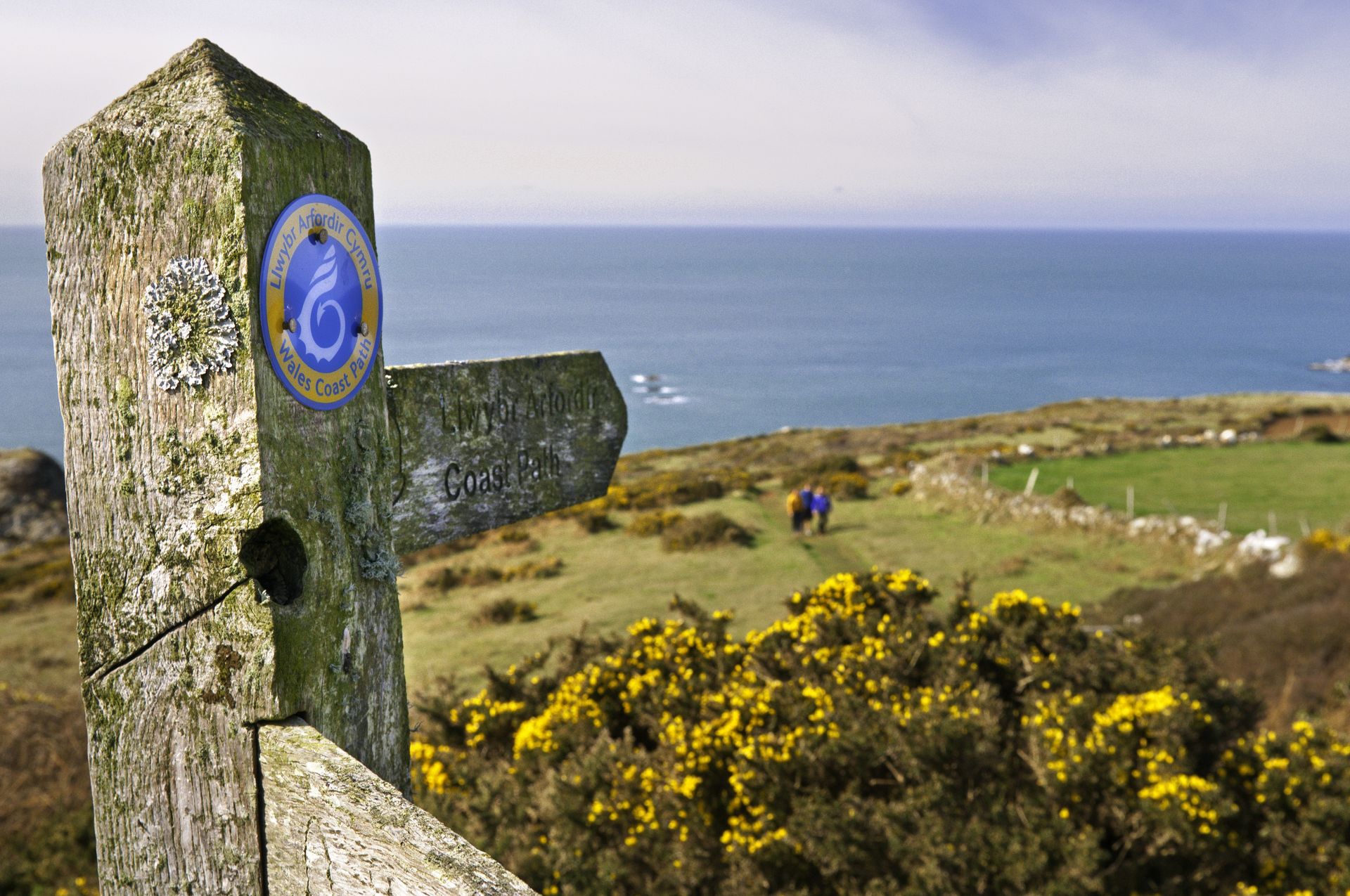
Crown Copyright
May is National Walking Month and with this in mind it’s the ideal time to remind all of us that there’s no single way to be a “good” walker.
It’s not about how far you go, how fast you move, or how challenging the route is. Walking well is about feeling prepared, building confidence, respecting the places you visit, and enjoying the experience - whatever that looks like for you.
Whether you’re taking your very first steps, or rediscovering a love for the outdoors, here’s our guide to walking well.
One of the biggest misconceptions about walking is that it has to be a big commitment - long distances, remote places, full-day adventures.
In reality, it can start much closer to home.
Wales Coast Path and National Trails social media ambassador, Jessie-Ann Lewis (@jessieannlewis) says: “Just go for it! Don’t think that every walk needs to be a big hike. Micro-adventures are just as important and can start with a walk straight from your doorstep.”
Starting small helps build confidence, fitness, and familiarity with being outdoors. Over time, those shorter walks often lead to bigger adventures, but there’s no rush to get there.
Another Wales Coast Path and National Trails social media ambassador, Lauren Harwood (@walkingwithlauren) adds: “When I first got into walking, I’d look into routes where I felt comfortable - often more popular trails, especially when I was going solo.”
Choosing accessible, well-used routes and walking during daylight hours can make those early experiences feel much more manageable.
“You'll soon want to venture further afield, and that's where Instagram, blogs, apps and walking websites are a great source of inspiration and route information”, says Jessie.
You don’t need to overcomplicate things, but a little planning can make all the difference. Before heading out, it’s worth checking:
Lauren says: “I always check the weather, the route itself, and daylight hours, especially in autumn and winter when it gets dark much earlier.”
Jessie agrees: “The weather can change so easily, particularly on the mountains or coastline. It helps me plan what layers I need, and things like suncream or waterproofs.”
She also highlights something many beginners forget - knowing what’s available along the way:
“I’ll check where there are facilities so I know what snacks I need to take, and where I might stop for a post-walk treat!”
You don’t need expensive gear to get started, but a few essentials will make your walk safer and more enjoyable. Footwear is one of the most important:
“I’ve learned the hard way that comfortable, protective footwear is so important”, says Jessie.
Clothing and kit will vary depending on the conditions, but being prepared for change is key.
Lauren shares: “Living in Wales, you quickly learn that the weather can change in an instant! What I wear usually depends on the season and conditions, but I always make sure I’m prepared. In my backpack I’ll typically have waterproof trousers and jacket, a warm insulation layer, gloves and a windproof. I’ll usually carry both a beanie and a cap depending on the weather.”
Other useful items include:
Being prepared doesn’t mean overpacking, it just means thinking ahead.
Navigation can feel daunting at first, but there are plenty of well-known digital navigating tools to make it easier.
“My sports watch is a big one. I love that I can download GPX routes and follow them as a course, which is especially useful when signal drops”, Lauren explains.
Jessie also points out that clearly waymarked trails can be incredibly helpful for beginners:
“It makes it nice and easy to follow, which is great if you’re new to navigating”.
Even with technology, it’s always a good idea to have a backup plan, whether that’s a downloaded route, or a paper map still comes highly recommended - with a knowledge of how to use it - especially when going somewhere remote.
And always ensure you have a basic understanding of where you’re heading before you set off.
Walking well means looking after the places you visit, so they can be enjoyed for years to come. Simple habits can have a big impact:
Lauren says: “I always follow a ‘leave no trace’ approach. Small actions really do make a big difference.”
Jessie adds: “It’s important to avoid walking onto surrounding vegetation, it could be home to wildlife.”
She also highlights something just as important - how we treat each other outdoors: “Be cheery on the trails. Say hello, have a chat, and be respectful of those around you.”
Dogs can be wonderful walking companions, but it’s important to make sure they don’t impact wildlife, livestock, or other people.
“I keep my dogs on a lead in many areas, especially during nesting season to protect wildlife”, says Lauren.
A few key things to keep in mind:
Walking doesn’t look the same for everyone, and it shouldn’t have to.
For some, it’s about covering distance. For others, it’s about getting outside for a short, accessible route, taking regular breaks, or simply enjoying fresh air.
That might mean:
• Choosing shorter or flatter paths
• Taking your time and stopping often
• Using mobility aids or walking with support
• Building up gradually over time
Walking well is about finding what works for you, not what you think it “should” look like.
It’s easy to focus on ticking off routes or reaching a destination, but often, the most memorable walks happen when you slow down.
As Jessie puts it, walking is also about appreciating what’s around you, and sharing that experience with others along the way.
Notice the landscape. Take photos. Stop for a break. Enjoy the journey. Breathe. Remember that being in the great outdoors is an immense privilege.
Walking well isn’t about doing everything perfectly. It’s about starting where you are, building confidence, and developing habits that help you stay safe while respecting the environment and people around you.
The Countryside Code recently celebrated its 75th anniversary. The Code continues to play a vital role in guiding how we enjoy and care for our landscapes. First introduced in 1951, it has evolved alongside changing patterns of access and recreation, but its core message remains the same: to respect others, protect the environment, and enjoy the outdoors responsibly.
As more people discover the benefits of walking, especially along treasured routes like the Wales Coast Path and our National Trails - the Code is as relevant as ever, helping ensure these special places can be enjoyed, protected, and shared for generations to come.


